

This tech age brings forth a plethora of new platforms, but none are as enigmatic and controversial as the deep web markets. Concealed from the prying eyes of traditional browsing, these platforms thrive in the depths of the internet, often conducting business that tests legal and ethical boundaries. Digital currencies like Bitcoin provide secretive operations the means to flourish, allowing users to buy and trade everything from artwork to illicit substances with a level of privacy that traditional markets simply cannot offer.
Navigating the dark web is certainly not for the weak. The darknet, as it is often called, requires specialized software to access, and even then, it poses numerous risks, such as frauds and law issues. The fascination of these hidden platforms lies not only in the accessibility of hard-to-find items but also in the feeling of camaraderie they encourage among users who share a distrust of the conventional internet. dark market list investigates the intricate workings of dark web markets, exploring how they function, the culture that surrounds them, and the implications for those who choose to participate in this underground economy.
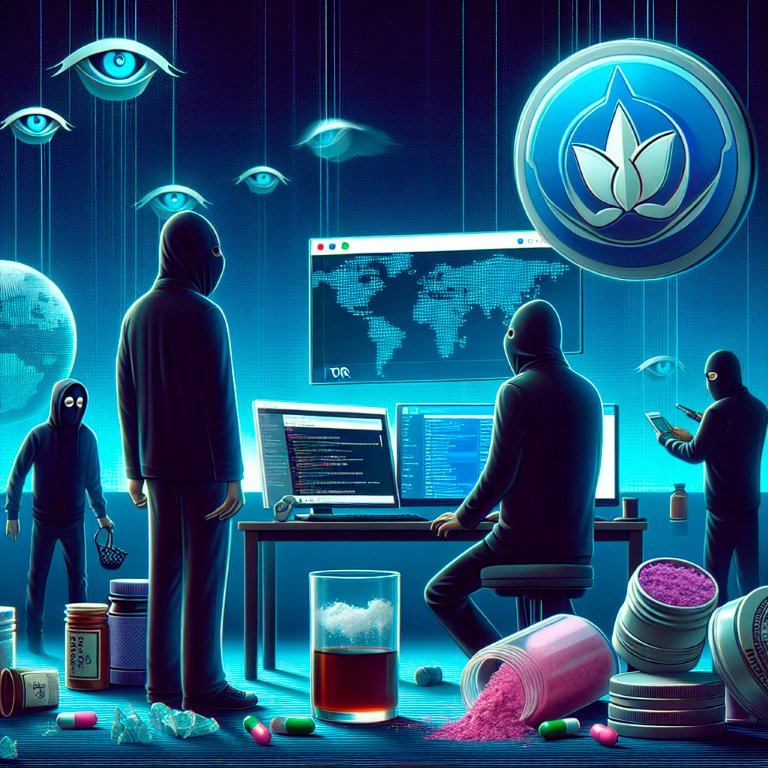
Comprehending the Dark Web
The shadow web refers to a segment of the web that is not at all indexed by conventional search engines, making it accessible only through specific software and settings. Generally, users access it via the Tor network, which conceals their online actions and allows for both privacy and, in many cases, illicit behaviors. This covert space hosts a variety of marketplaces, forums, and communication platforms that support various activities, including legal and illegal.
One of the most striking aspects of the shadow web is its use for untraceable transactions. Users often participate in the buying and selling of goods and services that are difficult or not feasible to find on the surface web, including controlled substances, weapons, stolen data, and fake money. Digital currencies like Bitcoin are commonly utilized in these transactions to enhance anonymity, offering a layer of protection for both purchasers and sellers. This financial aspect has led to a intricate ecosystem where trust and reputation play key roles in market dynamics.
While the shadow web is often associated with illegal activities, it is also a area for free expression, particularly in regions where censorship is widespread. Activists, journalists, and whistleblowers frequently use dark web tools to connect safely and share information without worry of retribution. This duality emphasizes the dark web's multifaceted nature, operating as a haven for certain freedoms while at the same time being a marketplace for nefarious dealings.
This Economics of Darknet Markets
Darknet markets operate within a unique financial structure that contrasts sharply with traditional marketplaces. These platforms primarily succeed on privacy, facilitated by tools like Tor that obscure user identities and locations. The demand for privacy often stems from the illegal nature of many items and services traded, such as narcotics, arms, and stolen data. This setting creates a market driven by demand where sellers are able to set prices based on the perceived risk linked to their products and the anonymity of their buyers.
The market competition in these markets is driven by a diverse range of vendors, each striving to gain buyers' attention through reviews, product quality, and price tactics. Vendors often use escrow services to build trust among buyers despite the intrinsic uncertainties of online transactions. Additionally, cryptocurrencies play a significant role in the dark web, as they provide an additional layer of anonymity and security, which enhances sales and transactions beyond traditional banking systems.
In spite of their illegal nature, darknet markets exhibit traits similar to legal economies, including supply and demand dynamics, advertising tactics, and client service methods. Some vendors invest in sophisticated logistics to ensure timely delivery of goods, while some focus on cultivating trust through consistent positive interactions with buyers. Overall, the financial aspects of these marketplaces demonstrate a intricate balance of anonymity, risk, and competition that shapes how they function and develop.
Dangers and Legal Implications
Engaging with dark web markets carries serious risks for individuals. Buyers may encounter frauds, receiving fake goods or no products at all after payment is made. Furthermore, personal data can be exposed to malicious actors, leading to personal theft or monetary fraud. The anonymity that dark web markets offer can quickly be breached, putting users at danger.
The legal implications of involvement in these markets can be severe. Many goods and services traded on the darknet, such as illicit drugs, weapons, and illegally obtained data, are prohibited by law. Law enforcement authorities actively monitor these platforms, employing sophisticated techniques to track down users. Individuals caught buying or selling prohibited items can face substantial fines and criminal charges, with potential prison sentences depending on the seriousness of the offense.
Additionally, even if a person does not participate in illegal activities personally, merely visiting dark web markets can lead to unwanted legal scrutiny. In many jurisdictions, this can raise suspicion and result in investigations. Therefore, the potential consequences of exploring these markets extend beyond the direct actions taken, affecting long-term personal and professional lives.